
My Story
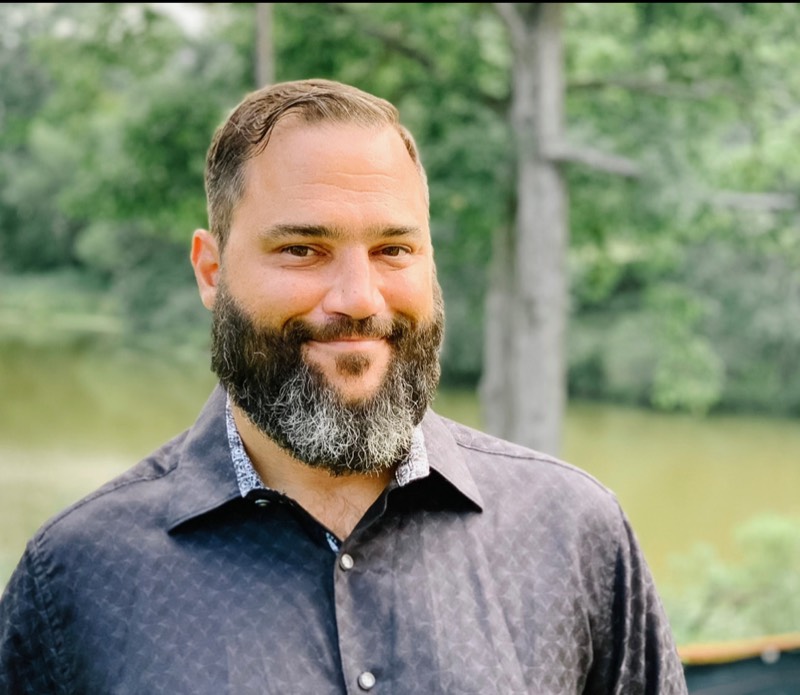
Harry Shurek, Founder
8 years in banking · 23 years in public accounting & taxes
I’ve spent thirty-one years around other people’s money — eight years in banking, then twenty-three years in public accounting and taxes here in Georgia. In all that time, through every change in the economy and the technology, one kind of phone call has never stopped coming. Only the details change.
The first one I remember didn’t come by phone at all. A woman walked into the bank where I worked and asked for a $10,000 cashier’s check. She’d won the Canadian lottery, she told us — she just needed to pay the fees and taxes to collect her winnings. Everyone behind that counter knew within seconds what was happening. There was no lottery. There were no winnings. There was only someone on the other end of a phone line, patiently walking her toward handing over ten thousand dollars of her own savings.
But she didn’t know that, and nothing we said could reach her. We explained. We showed her. We asked her to wait, to talk to her family, to sleep on it. She came back, insistent, because the person on the phone had prepared her for exactly this — the bank will try to stop you; don’t let them. In the end we had to call the police. Not because she had done anything wrong, but because it was the only way left to keep her savings from walking out the door. I have never forgotten standing there, watching a perfectly intelligent adult defend the person who was robbing her — against the people trying to protect her.
That was decades ago. The lottery letters are mostly gone now. What replaced them is worse.
Today the calls come to my accounting office, and they come almost every week. Clients, and friends of clients, and people who found my number somehow — calling after the money is gone. Cryptocurrency “investments” that were never investments. Romance scams that ran for months before the first request for money. Imposters claiming to be the IRS, a bank, a grandchild in trouble. Some of these people have lost tens of thousands of dollars. I’ve sat across from people who lost hundreds of thousands — retirement accounts that took forty years of work to build, emptied in a matter of weeks. Most of the victims are sixty-five or older. Plenty are younger. The scammers don’t discriminate; they just know that people who’ve spent a lifetime saving have the most to take.
And here is the part that finally pushed me to build something: by the time anyone calls me, there is almost nothing I can do. The wire has cleared. The crypto has moved through six wallets. The “investment platform” has vanished. Every resource our system offers — the reports, the hotlines, the recovery services — exists for after. I kept thinking about that woman at the bank counter, and about the one moment in every one of these stories where the whole thing could have stopped: the moment before. Before the check is written. Before the wire is sent. Before the reply, the click, the “small fee to release your funds.”
What was missing was something simple enough for anyone to use in that moment. Not a seminar, not a pamphlet, not a warning they’d hear too late — a tool. Something a worried person could put a suspicious message into and get a straight answer in thirty seconds: is this real? Something a son or daughter could set up for their parents and know that the next convincing phone call, text, or email would run into a checkpoint before it reached the savings account.
That’s NoScamForMe. Every check starts with Claude, and when there's uncertainty we bring in ChatGPT and Gemini for comparison — checking against thousands of documented, real-world scam patterns, and the answer comes back in plain English — not just scam or safe, but why, and what to do next. It’s the tool I wish I could have handed that woman in the bank lobby. It’s the one I wish every person who has ever called my office had used a month earlier, back when their money was still theirs.
After thirty-one years of watching what these criminals take from people, I’m done meeting the victims afterward. This is my line of defense — for my clients, my neighbors, my family, and yours.
— Harry Shurek, Founder
8 years in banking · 23 years in public accounting & taxes
The Company
NoScamForMe™ helps seniors and families check suspicious messages before money moves — using AI-powered scam detection with multi-model comparison that cross-checks against a curated library of 3,001 documented scam patterns.
Founded: 2026
Headquarters: Georgia, USA
Founder: Harry Shurek
Contact: 1-844-NO-SCAM-1 · support@noscamforme.com
What We’ve Learned in 31 Years
Scammers don't target stupid people. They target trusting people. Kind people. People who were raised to be polite and helpful. That's exactly why seniors are the #1 target — they come from a generation that trusts a phone call, respects authority, and doesn't want to be rude by hanging up.
Here's what we want everyone to know:
- No legitimate organization will ever call you demanding immediate payment via gift cards. Not the IRS, not your bank, not the police.
- If someone you've never met in person asks for money — it is almost certainly a scam.
- Urgency is the #1 weapon. Scammers need you to act before you think. Any real issue can wait 24 hours for you to verify.
- It's not your fault. These are professional criminals running sophisticated operations. Being scammed doesn't mean you're foolish.
How to Spot Scams Yourself
NoScamForMe™ uses AI to detect scams instantly, but here are skills everyone should learn:
🔗 Hover Over Links Before Clicking
On a computer, hover your mouse over any link WITHOUT clicking. Look at the bottom-left corner of your browser — it shows where the link actually goes. On a phone, long-press the link to preview the URL.
What the link shows: http://chase-secure-login.scammer-site.ru/verify
Real Chase link would be: https://chase.com/...
📧 Check the Sender's Email Address
The display name can say anything ("Amazon Support") but the actual email address reveals the truth. Click or tap on the sender name to expand the full address.
Actual address: support@amaz0n-orders.com
Real Amazon: ...@amazon.com
⏰ The Urgency Test
If a message makes you feel panicked and pressured to act RIGHT NOW — stop. That feeling is the scam working. Real emergencies from real organizations always give you time and multiple ways to respond.
"Act within 24 hours or your account will be closed"
"Officers are on their way — pay now to avoid arrest"
"This offer expires in 10 minutes"
🔍 The Google Test
Copy any phone number, company name, or suspicious phrase and search it in Google with the word "scam" added. Example: search "855-555-0123 scam" — if others have reported it, you'll find warnings immediately.
☎️ The Callback Test
If someone calls claiming to be your bank, the IRS, or any company — hang up and call them back on the OFFICIAL number (from their website, the back of your card, or a bill). If it was real, they'll have a record. If it was a scam, you just saved yourself.
💳 The Payment Method Test
Legitimate businesses accept credit cards and checks. If someone insists on gift cards, wire transfers, cryptocurrency, or cash — it's a scam. No exceptions. The IRS does not accept iTunes gift cards.
🤔 The "Too Good" Test
If you won something you didn't enter, if returns are "guaranteed," if the price is 80% below retail, if a stranger wants to make you rich — it's too good to be true because it isn't true.
👥 The Second Opinion Rule
Before sending money, giving personal information, or clicking a link you're unsure about — tell someone. A family member, a friend, or use NoScamForMe™. Scammers want you alone and isolated. Breaking that isolation breaks the scam.
The Technology Behind NoScamForMe™
We use three of the world's most trusted AI systems:
- Anthropic Claude — known for safety and reasoning
- OpenAI ChatGPT — the world's most widely used AI
- Google Gemini — Google's most advanced AI model
Each model independently analyzes your submission. When the majority agree — you get a high-confidence result. When they disagree — we flag it as suspicious and recommend extra caution.
It's like getting three independent expert opinions in under 4 seconds.
For Families
If you have a parent, grandparent, or loved one who's vulnerable to scams, here's what actually helps:
- Don't shame them. Shame makes people hide the next scam attempt instead of asking for help.
- Set up NoScamForMe™'s Family Protection. You'll get an instant alert if they check something and it's a scam — before any money is sent.
- Create a family code word. If a "grandchild" calls needing bail money, they should know the code word. AI voice cloning makes voices unreliable now.
- Make yourself the "check first" person. Tell them: "Before you send money, buy gift cards, or click any link — call me first. No matter what time. I will never judge you."
NoScamForMe™ is a trademark of NoScamForMe LLC (registration pending, USPTO).
Try NoScamForMe Free
Paste any suspicious email, text, or screenshot. Get a clear answer in seconds.
Start Scanning →